The Literacy Problem

Literacy is the foundation of all successful learning. Without reading, students do not have the skills they need to be successful in their academic careers, and their life options are limited.
Employees without a high school diploma earn an average of $23,000/year. Every student who leaves high school without a diploma costs us $250,000 in lost earnings, taxes and productivity. Nationwide over 8 million low-income students from Kindergarten through 5th grade are not proficient readers.

67 Percent

According to the National Assessment of Educational Progress, 67 percent of fourth graders read below the proficient level.

1 in 4 students (23 percent) with “below-basic” reading skills in third grade had not graduated high school by age 19.

64 percent of eighth graders are reading below grade level.

According to the Annie E. Casey Foundation – 54 percent of white 4th graders aren’t proficient at reading, about 8 in 10 children who are African-American, American Indian and Latino aren’t reading at grade level.

68% of low-income 4th graders cannot read at a basic level*

When looking at all 4th graders, a stunning 40% of America’s students continue to read below the basic level.

Children’s Reading Statistics Are Used to Plan Prison Construction

So strong is the link between literacy and being a useful member of society that states use grade-level reading statistics as a factor in projecting future prison construction.** Currently, nearly 50% of America’s adults are poor readers or “functionally illiterate,” and one in every 178 U.S. residents will live in prison (2011.)

$27.5 Billion Dollars

Taxpayer cost in new dollars for prison over the next five years (in addition to current prison costs.)

* Improving Education for Every Child – by Nina Shokraii Rees, former Assistant Deputy Secretary for Innovation and Improvement at the US Dept. of Education.

** Bob Chase, President, National Education Association

Adult Statistics

According to the U.S. Department of Education – 32 million adults can not read or 14% of the population. 21% of US adults read below the 5th grade level.

Mental Health Matters

The need for greater mental health support continues to grow among young people and adults.
Approach icon
Youth Mental Health

2+ MILLION

Young people ages 12-17 were experiencing a Major Depressive Episode with severe impairment, according to the data cited on our Mental Health page.

8.66% → 13.01%

Past-year MDE among youth ages 12-17 increased between 2012 and 2017.

Approach icon
Suicide & Youth

14.0 / 100K

The suicide rate increased from 13.5 in 2020 to 14.0 in 2021, with the largest rate increase occuring among males ages 15-24.

+8%

Increase in suicide rate among males ages 15-24

Approach icon
Adult Mental Health

50+ MILLION

In 2019-2020, more than 50 million U.S. adults were extimated to be experiencing mental illness.

12.1 Million

Adults reported serious thoughts of suicide in the cited 2020 data.

The DFYL Methodologies

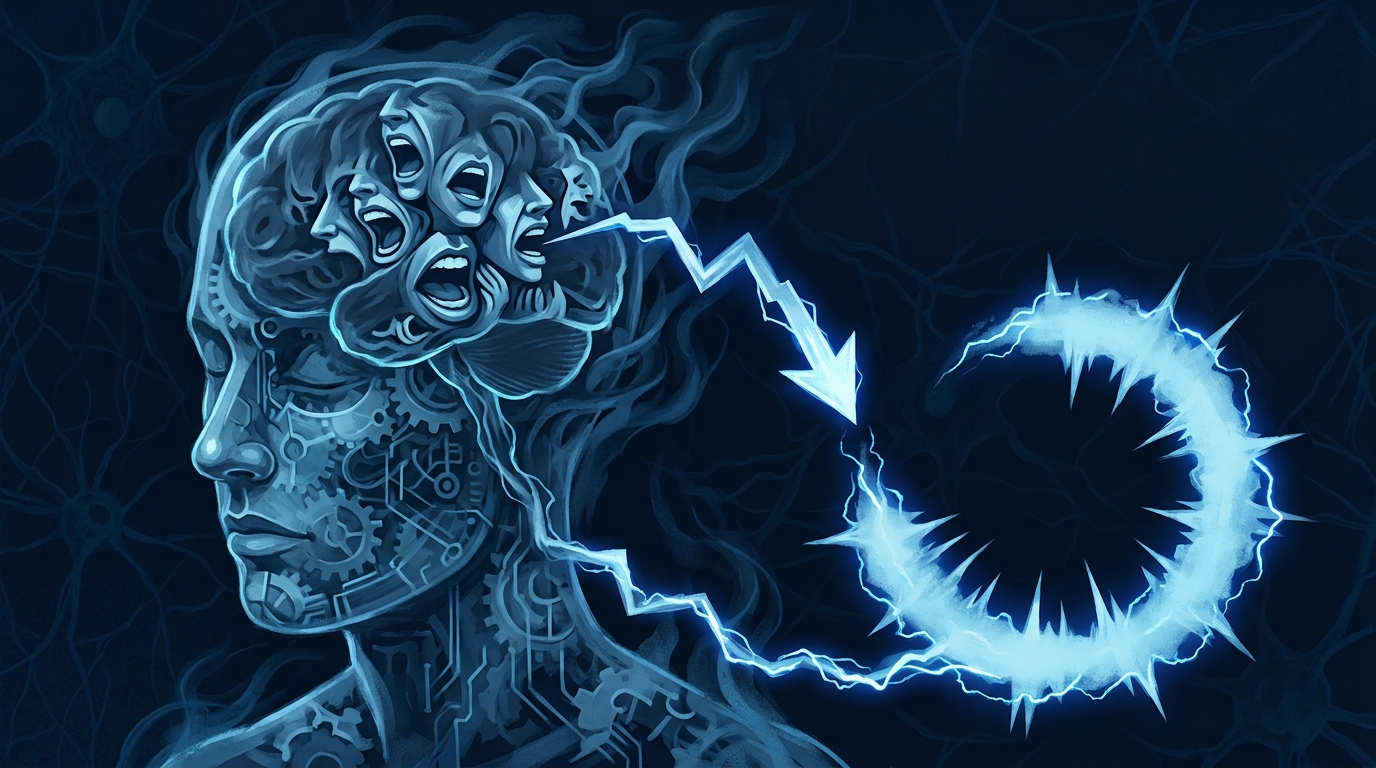
DFYL has developed a collection of proprietary methodologies that explore how rhythm can influence internal thought, psychological patterns, and neurological responses. These concepts form part of the foundation behind DFYL's approach to learning, personal development, wellness, and transformation.

Homelessness: The Problems

Homelessness has a lot of roots, from the loss of loved ones, job loss and to untreated PTSD and other mental disabilities. The extent of the challenge is mind-boggling, as illustrated by these numbers from the Housing and Urban Development’s 2020 Assessment Report.
• After a steady increase since 2016, homeless in the U.S. is at an all-time high. On a single night in 2020, roughly 580,000 people were homeless in the U.S.
• 2020 marks the first time since data collection began that more individuals experiencing homelessness were unsheltered than were sheltered. Between 2019 and 2020, the number of unsheltered individuals increased 7% while the number of sheltered individuals remained largely unchanged.
• The number of unsheltered people in families with children increased for the first time since data collection began.
• The number of individuals with chronic patterns of homelessness increased 15% from 2019-2020. While increases were reported among both sheltered and unsheltered populations, the sizable increase in the number of treatment-resistant unsheltered people with chronic patterns of homelessness (21%) is now the main driver of homelessness.

Homelessness: The Solutions

Echoing HUD’s report, a raft of recently published studies has recognized the critical importance of identifying innovative ways of helping the chronically homeless.
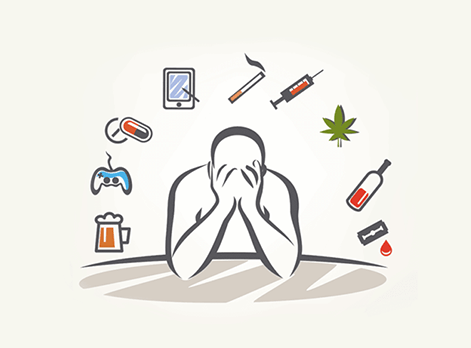
For instance, in “A Case Study Using Shame Resilience Theory,” the article shows why “stigma and shame are emotions that can saturate the homeless experience.” Helping people overcome self-doubt, she concludes, can “have an immense impact on that person’s ability to navigate their experience and build resiliency.” And in “Homelessness, Housing Instability and Mental Health: Making the Connections”, NYU professor Deborah K. Padgett concludes that the key to reaching the chronically homeless lies in helping them develop a “secure” sense of self based on “safety and constancy in everyday life.”
For nearly two decades, our Life Skills Drumming classes have been using the rhythm and power of drums to help people identify and overcome self-doubts so they can build self-trust and develop the emotional intelligence they need not only to control anger and impulsive behavior but to live more productively and peacefully in their communities.

Substance Use Disorder

Center on Addiction

40 million Americans ages 12 and older – or more than 1 in 7 people – abuse or are addicted to nicotine, alcohol or other drugs. This is more than the number of Americans with heart conditions (27 million), diabetes (26 million) or cancer (19 million).

The vast majority of individuals with a substance use disorder in the U.S. are not receiving treatment. 15.35% of adults had a substance use disorder in the past year. Of them, 93.5% did not receive any form of treatment.

The Life Skills Drumming technique guides addicts to discover and confront the emotions that drive their addictions while they learn to master the connection between mind and body. Drumming for Your Life facilitators offers clients a way to safely express negative feelings and transform them into positive experiences.

“I discovered aspects of myself I didn’t know existed. I felt like I was opening up and coming alive in my body and openly expressing it.”
–J.P. , Recovering Addict

Program Goals

  • Clients discover and connect to their newly uncovered emotions
  • Clients become aware of negative patterns in their lives and begin to replace them with positive alternatives
  • Clients discover and “own” their “individual rhythms,” leading to self-awareness

Program Specifics

  • Clients discover and connect to their newly uncovered emotions
  • Clients become aware of negative patterns in their lives and begin to replace them with positive alternatives
  • Clients discover and “own” their “individual rhythms,” leading to self-awareness